
At the recent STEP Dubai AI conference, I joined a panel on Decoding the GTM Engine to discuss how startups build and scale their go to market strategy.
The panel brought together a fantastic mix of operators and investors:
- Andreas Mueller, founder of Bloofusion
- Rana Nawas, partner at Global Ventures
- Eman Saeed, from Hub71
- Ayush Pateria, founder of RocketsDR
We spoke about what it takes to launch, scale, and position companies in a market increasingly shaped by AI and best practices of go to market strategy.
Halfway through the talk, I did something mildly unconventional.
Instead of closing with a statistic about funnels, CAC, or pipeline velocity, I mentioned that I had written a poetry manuscript.
In a room full of founders and investors.
It was a small curveball.
The Unexpected Human Moment
After the panel ended, something incredible happened.
A line of people formed.
Not with the usual startup questions about GTM frameworks or pricing models.
They wanted to talk about poetry.
Their favorite poets. A line from a book that stayed with them for years. One founder told me a poem he reads before big board meetings.
Who would have guessed poetry would become the human glue at a tech conference.
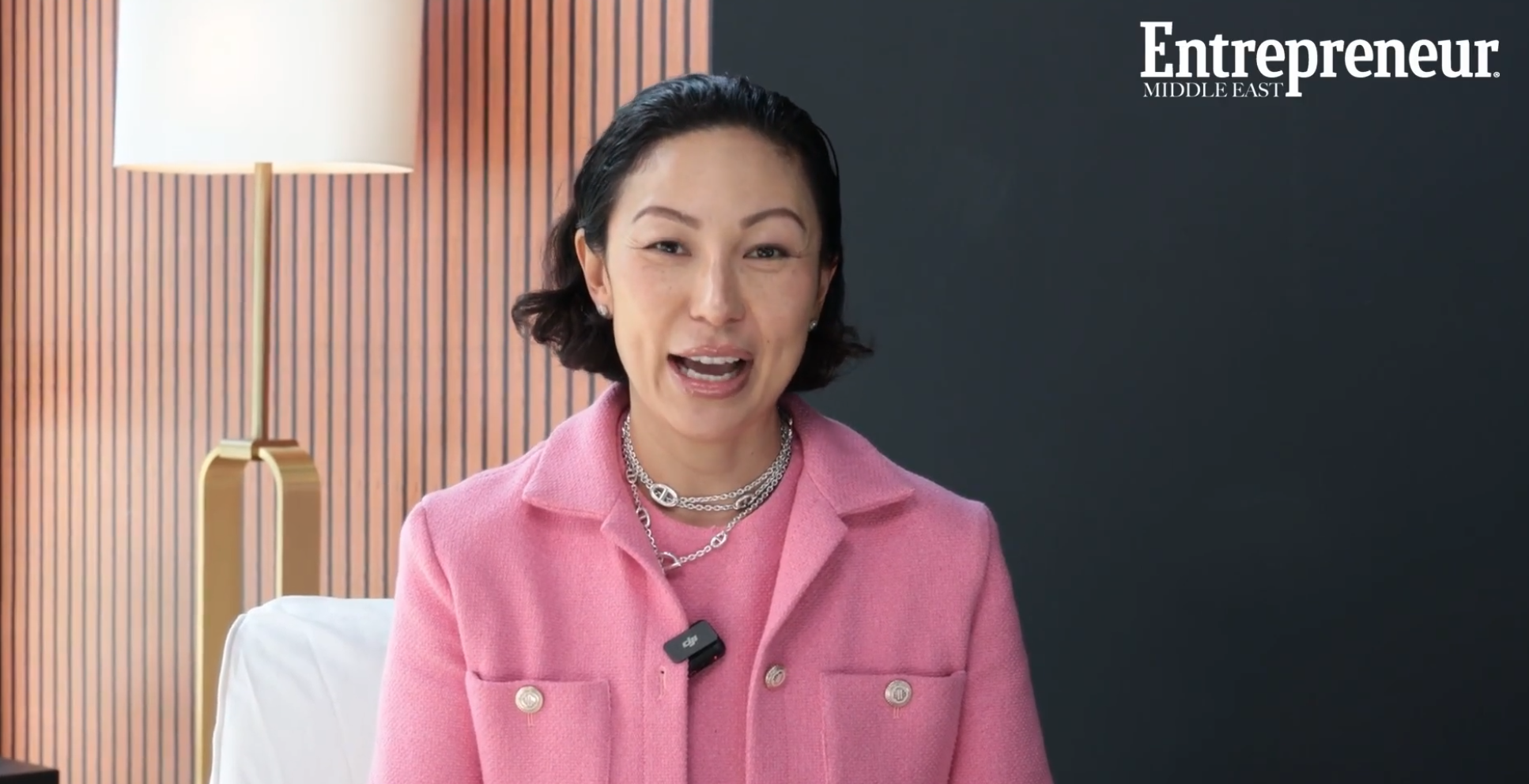
That moment later led to coverage from Entrepreneur Middle East, PODdster and Breakingnews.Ai
But the real insight had nothing to do with poetry, or maybe it did?
It had everything to do with attention economics in the AI era.
Today, attention is the first layer of any go to market strategy.
Below are a few GTM lessons we see repeatedly when advising startups through Break The Ice.
The Modern GTM Engine in the AI Era
1. Narrative Is a Strategic GTM Asset
Before customers evaluate a product, they evaluate the story.
Why now.
Why this team.
Why this product.
The strongest startups answer those questions quickly.
Fintech example
Stripe positioned itself around empowering developers rather than selling payment infrastructure.
That narrative turned a technical product into something developers rallied around.
SaaS example
Notion positioned itself as a flexible workspace for creative thinkers rather than another productivity tool.
Your product matters.
Your story determines whether anyone listens.
2. Founder Visibility Accelerates Trust
In the AI era, founders themselves often become distribution channels.
Speaking at conferences, publishing insights, and participating in ecosystem conversations creates credibility before the product scales.
Mobility example
Much of the global awareness around Tesla has been amplified through the visibility of its founder.
The founder becomes part of the GTM engine.
3. Distribution Beats Product Perfection
Many startups delay launches chasing perfect features while competitors quietly build distribution.
Speed of learning wins.
SaaS example
Slack scaled through internal adoption loops.
One team started using it.
Then another.
Soon entire organizations adopted it.
That is a GTM engine at work.
Fintech example
Revolut expanded through referral loops and community driven growth.
4. Partnerships Compress Years of Growth
Strategic partnerships are one of the most underused levers in startup go to market strategy.
The right partnership can accelerate growth dramatically.
Fintech infrastructure example
Plaid grew rapidly by embedding its technology inside other fintech platforms.
Sometimes the fastest path to market runs through someone else’s distribution.
5. Attention Is the New Top of Funnel
The AI era has made technology easier to build and attention harder to capture.
Every week there are new AI startups, SaaS tools, fintech platforms, and mobility companies entering the market.
Which means the first challenge is no longer building the product.
It is earning curiosity.
That small moment on stage reminded me of something founders sometimes forget.
People connect through stories before they connect through products.
Sometimes the most effective top of funnel strategy is simply saying something unexpected.
Even if that unexpected thing is poetry.
The Five Forces of a Modern GTM Strategy
Today, a strong go to market strategy sits at the intersection of five forces:
Narrative
Founder visibility
Distribution loops
Strategic partnerships
Attention economics
Technology evolves quickly.
Human curiosity evolves more slowly.
The founders who understand both tend to build companies that travel further.
A Note for the Curious
If the poetry moment at the conference sparked your curiosity, there is more where that came from.
My upcoming poetry collection Everything Is Fleeting explores impermanence, ambition, love, and the inner life of a woman building companies in public while writing quietly in the margins of airports and boardrooms.
Occasionally those two worlds intersect in unexpected ways. Like a tech conference line forming to talk about poetry.
If you enjoy reflections that sit somewhere between strategy, philosophy, and art, you can subscribe to my Substack:
https://letterstoai.substack.com
I write letters, fragments, and poems there as the manuscript moves toward publication.
About Break The Ice
Break The Ice is a global advisory firm helping startups design and execute high impact go to market strategies.
We work with founders across fintech, SaaS, mobility, and AI to refine positioning, unlock partnerships, and build scalable growth engines.
Learn more
https://breaktheice.ai