
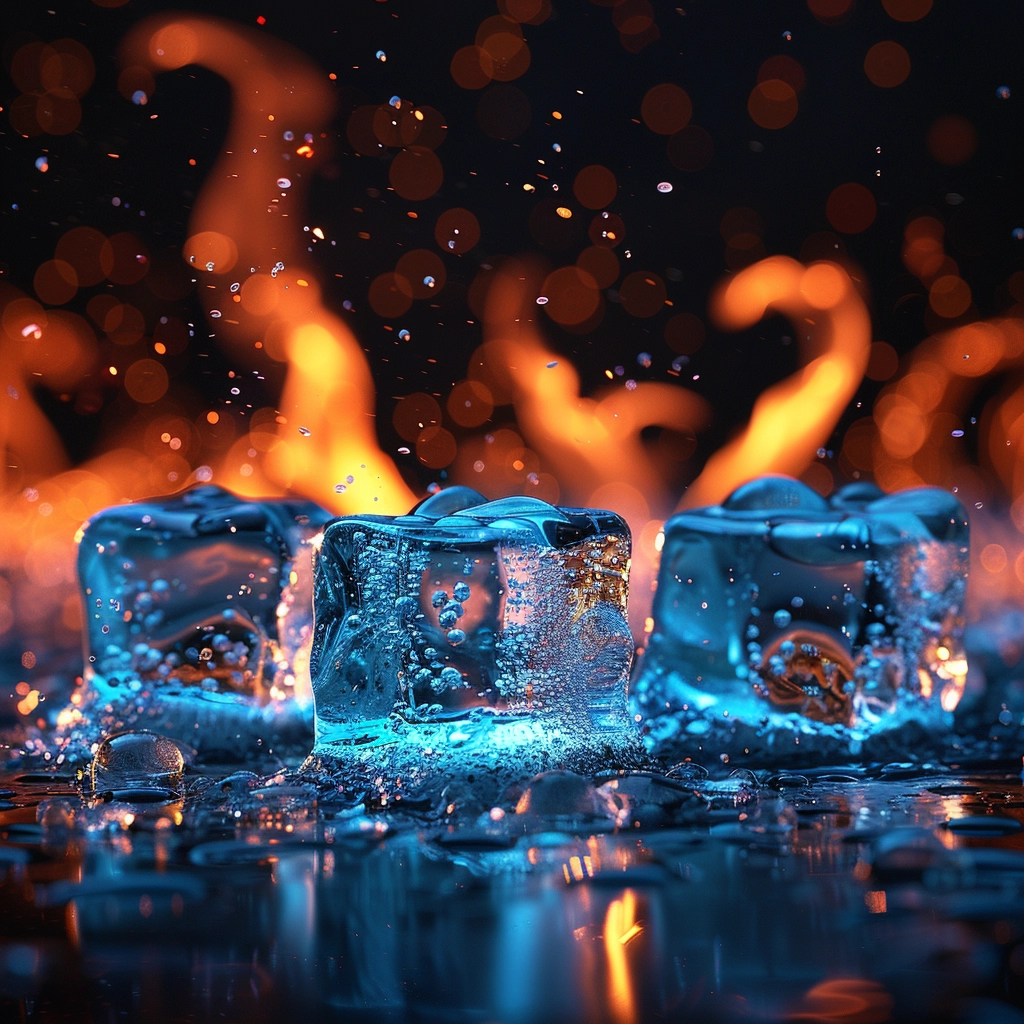
Contrast therapy alternates hot and cold exposure to improve circulation, reduce muscle soreness, support cellular health, and enhance mental well-being.
Contrast Therapy: A Dance Between Hot and Cold
In the perpetual quest for health and vitality, humanity has long sought solace in the extremes. From the searing heat of saunas to the bone-chilling embrace of ice baths, we have instinctively gravitated toward the healing powers of temperature. Enter contrast therapy, a practice that continues to gain traction among athletes and health enthusiasts alike. This intriguing approach to wellness invites us to dance between the polarities of hot and cold, harnessing the benefits of each to create a symphony of well-being (Piñero et al., 2024).
At its core, contrast therapy is an elegant yet simple concept. As Dr. Kubanych Takyrbashev, a seasoned anesthesiologist and former Chief Physician for the 2002 Kyrgyz XIX Winter Olympic Team, explains, “Contrast therapy involves alternating between contrasting hot and cold temperatures. First, the body is exposed to heat through a sauna or warm bath, causing the blood vessels to expand and increase blood and oxygen flow. Then, the body is exposed to cold through a low-temperature water immersion or ice bath, causing blood vessels to constrict” (K. Takyrbashev, personal communication, April 2024). This cyclical expansion and contraction of blood vessels is akin to a cardiovascular workout, stimulating circulation and promoting the efficient delivery of nutrients and oxygen to our tissues.
However, the benefits of contrast therapy extend far beyond mere circulatory enhancements. As Dr. Takyrbashev eloquently puts it, “Contrast baths have been shown to work better than cold or hot baths alone at alleviating delayed onset muscle soreness (DOMS), which is the muscle soreness you experience after a workout where you’re challenging your muscles to the point of soreness, whether that’s through weightlifting or power yoga.” This revelation is a godsend for athletes and fitness enthusiasts who often find themselves at the mercy of post-workout discomfort. By alternating between hot and cold, we can effectively alleviate the pain and stiffness accompanying our physical pursuits, allowing us to recover faster and push our limits further (Piñero et al., 2024).
The Science Behind Contrast Therapy: Why It Works
The therapeutic powers of contrast therapy extend beyond the realm of muscle soreness. As Dr. Takyrbashev points out, “We are not getting healthier or better individuals as we age.” However, contrast therapy offers a glimmer of hope in the face of the inevitable march of time. By promoting autophagy, the body’s cellular recycling system, contrast therapy can help regenerate and rejuvenate our cells, leading to healthier, more resilient skin and organs. This “anti-aging” effect is a testament to the power of harnessing temperature extremes to support our body’s natural healing processes.
But perhaps one of the most compelling aspects of contrast therapy is its potential to enhance our mental well-being. Research has shown that cold-water swimming can improve memory and mood while reducing pain and tension (Shevchuk, 2008), and heat therapy has been linked to a reduction in symptoms of depression and anxiety (Janssen et al., 2016). By combining these two modalities, contrast therapy offers a unique approach to nurturing both our physical and mental health, providing a sanctuary of solace in a world that often leaves us feeling overwhelmed and disconnected.
Embracing the Discomfort: Mind Over Matter
Of course, as with any therapeutic practice, it is essential to approach contrast therapy with a degree of caution and mindfulness. Dr. Takyrbashev advises, “Always listen to your body’s needs, don’t overdo it, and be mindful not to turn the water hotter or colder than you can stand.” While a little discomfort with cold water is expected (unless you’re a polar bear), scalding hot water should be avoided at all costs. By tuning into our body’s signals and respecting our limits, we can safely and effectively harness the power of contrast therapy to support our well-being.
In a world that often demands conformity and comfort, contrast therapy invites us to embrace the dichotomy of hot and cold, step outside of our comfort zones, and explore the transformative potential of temperature. Whether you are an athlete seeking faster recovery or simply yearning for greater vitality and balance, contrast therapy offers a path toward optimal health and well-being. So why not take the plunge? Embrace the dance between hot and cold, and discover the healing powers that lie within the extremes. Your body and mind will thank you.
References
Janssen, C. W., Lowry, C. A., Mehl, M. R., Allen, J. J., Kelly, K. L., Gartner, D. E., … & Raison, C. L. (2016). Whole-body hyperthermia for the treatment of major depressive disorder: a randomized clinical trial. JAMA psychiatry, 73(8), 789-795.
Piñero, A., Burke, R., Augustin, F., Mohan, A. E., DeJesus, K., Sapuppo, M., … & Schoenfeld, B. J. (2024). Throwing cold water on muscle growth: A systematic review with meta‐analysis of the effects of postexercise cold water immersion on resistance training‐induced hypertrophy. European Journal of Sport Science.
Shevchuk, N. A. (2008). Adapted cold shower as a potential treatment for depression. Medical hypotheses, 70(5), 995-1001.